
The Problem With Calling Young People Unmotivated
It's one of the most common things said about struggling young people. They're unmotivated. They don't care. They won't put in the effort.
It's also one of the most damaging things we can say — because it ends the conversation exactly where the real conversation should begin.
Motivation doesn't just vanish. It doesn't disappear because a young person decided one day to stop caring about their future. It gets interrupted. Slowly, quietly, and often in ways that no one around them noticed or addressed.
What Actually Kills Momentum
Think about what repeated disappointment does to a person. You try, and nothing changes. You put in effort, and the environment doesn't reflect it back. You experience a setback and nobody helps you process it or find a way forward. Then it happens again. And again.
At some point, pulling back becomes the rational choice. It's not weakness. It's self-protection. A young person who has learned that effort leads to disappointment is not unmotivated — they are responding logically to the pattern their environment taught them.
This is what interrupted momentum looks like from the outside. And from the outside, it gets mislabeled constantly.
Why the Label Makes Things Worse
When we label a young person as unmotivated or lazy, we locate the problem inside them. We make it about their character or their attitude rather than their circumstances and their history. And once that label sticks, it shapes how every adult in that young person's life interacts with them.
Expectations lower. Opportunities narrow. The young person begins to absorb the label and reflect it back. What started as a protective response to a difficult environment becomes a fixed identity.
This is how systems fail young people while believing they are simply responding to reality.
The Question That Changes Everything
At We Can We Shall, we start from a completely different place. Not with a label, but with a question. What interrupted this young person's momentum in the first place?
That question shifts everything. It moves the focus from the young person's perceived deficiency to the circumstances that shaped where they are. It opens space for curiosity instead of judgment. And it creates the conditions for something different to happen.
Because here's what we know from experience. Momentum can be rebuilt. Belief can be restored. A young person who has every reason to be disengaged can become someone who is deeply invested in their own future — when the right environment, the right energy, and the right people show up around them.
Rebuilding What Got Interrupted
The work is not complicated in concept, even when it's hard in practice. You create an environment where young people feel genuinely seen. You meet them where they are without judgment about how they got there. You introduce experiences that give them evidence that more is possible. And you stay consistent long enough for trust to develop.
Trust is the foundation of momentum. Young people who have been disappointed repeatedly are not going to re-engage on the strength of a single interaction. But they will notice consistency. They will notice when the adults around them don't give up. And slowly, the belief that effort might actually lead somewhere begins to return.
What We Owe Young People
Every young person who gets labeled unmotivated deserved someone who asked a better question. Every young person who disengaged from school, from programs, from the future as they understood it, had reasons. Real ones.
We don't have to agree with every choice a young person makes to believe that they deserve more than a label and a lowered expectation. We just have to be willing to look deeper than the surface.
At We Can We Shall, that is the commitment we make to every young person we work with. Not to fix them. But to understand what got interrupted and to help them find their momentum again.
Because it is still there. It always is.
Why Energy and Environment Shape What Young People Believe Is Possible
Energy is one of the most underestimated forces in a young person's life.
Not the motivational poster kind. Not the "just think positive" kind. Real energy. The kind that fills a room, changes an atmosphere, and makes someone feel — maybe for the first time — that they are somewhere worth being.
When a young person is in a low place, everything becomes harder. Creativity dims. Motivation disappears. The future stops feeling like something that belongs to them. And the cruelest part is that when everything feels heavy, it is genuinely difficult to imagine anything different being possible. The weight of the present makes the future feel unreachable.
This is not a mindset failure. It is what low energy environments do to people. And young people are especially vulnerable to it because they are still forming their beliefs about what the world is and what their place in it could be.
What a Single Positive Experience Actually Does
Research in youth development consistently shows that positive, meaningful experiences during formative years do not just feel good in the moment. They create what psychologists call reference points — internal evidence that something better exists. That things can be different. That they themselves are capable of experiencing something good.
A young person who has never felt genuinely celebrated does not know what that feels like. A young person who has never been in a room full of possibility does not know that rooms like that exist. You cannot reach for something you have never seen.
This is why environment matters so much. Not just the physical space, but the energy inside it. The people. The intention behind it. Whether or not someone in that room actually sees them.
Hope Is Not Abstract. It Is Experiential.
We often talk about hope as if it is a feeling someone can simply choose to have. But for young people navigating real hardship, hope needs evidence. It needs proof. It needs a moment they can point back to and say — that happened to me. That was real. That means more is possible.
One afternoon. One conversation. One experience where someone felt genuinely valued and genuinely seen. These things stay. They become anchors. And when life gets heavy again — because it will — those anchors hold.
This is the entire foundation of what We Can We Shall does. We do not wait for young people to feel ready, inspired, or hopeful before we engage them. We create the conditions for those feelings to emerge. We introduce the experience of possibility before they have been convinced it belongs to them.
Why We Create These Moments on Purpose
Nothing transformative happens by accident. Every experience We Can We Shall creates is intentional. The energy in the room is intentional. The way young people are spoken to is intentional. The belief embedded in every interaction — that these young people are capable, worthy, and full of potential — is not a program feature. It is the foundation.
Because once hope is introduced into a person's life, it has a way of growing. It does not always grow quickly. It does not always grow loudly. But it grows. And a young person who carries even a small seed of belief in what is possible for them is fundamentally different from one who has never been given a reason to believe at all.
The Compounding Effect of Positive Energy
Low energy compounds. Negative environments compound. Hopelessness compounds. But so does the opposite.
One positive experience creates a reference point. That reference point makes the next positive experience easier to receive. Easier to believe. And slowly, the story a young person tells themselves about who they are and what they are capable of starts to shift.
This is not theory. This is what we witness. This is why the work matters. And this is why energy, environment, and intentional positive experiences are not supplementary to youth development. They are the foundation of it.
At We Can We Shall, we believe every young person deserves a moment that changes what they think is possible. We exist to create those moments. And we have seen, time and time again, what happens when hope gets introduced to someone who had stopped looking for it.
It grows.
Youth Fiesta at First Friday Canton: Building Community Connection Through Food and Celebration
Community events create space for connection a place where families can show up, young people can be themselves, and relationships can grow naturally without pressure or agenda.
On May 1st, 2026, We Can We Shall is proud to participate in First Friday Canton with our Youth Fiesta, a free community event designed to bring Canton youth together around food, fun, and meaningful connection.
What is First Friday Canton?
First Friday is a monthly celebration in Downtown Canton, Ohio, where local businesses, nonprofits, and community organizations come together to create a vibrant, welcoming atmosphere. It's a chance for Canton residents to explore downtown, support local causes, and connect with neighbors.
For We Can We Shall, First Friday represents an opportunity to meet young people and families where they are—in a familiar, comfortable setting where real relationships can begin.
Youth Fiesta: Food, Fun, and Connection
Our Youth Fiesta centers around one simple but powerful idea: meeting young people in ways that feel familiar helps create real connection.
That's why we're especially grateful to Washington Square Taco Bell for sponsoring walking tacos for the event. It's a small detail, but it matters. So many kids in Canton know and love Taco Bell—it's accessible, familiar, and removes barriers. When young people see food they recognize, it creates an instant sense of comfort and belonging.
Walking tacos will be available free of charge to youth and families attending the event. No sign-ups, no forms, no strings attached—just show up, grab a taco, and connect with us.
Why Community Events Matter for Canton Youth
Canton, Ohio, has a vibrant community of young people who deserve spaces where they can be themselves, build friendships, and feel supported. Community events like First Friday create those spaces naturally.
At We Can We Shall, we believe in meeting youth where they are—not just geographically, but emotionally and socially. That means:
Creating events that feel welcoming, not institutional
Offering food and activities that are accessible and familiar
Building trust through consistent presence and genuine care
Supporting youth development through connection, not programs
Youth Fiesta embodies these values. It's not about signing kids up for something or delivering a message. It's about showing up, being present, and creating a space where young people feel seen and valued.
Event Details
What: Youth Fiesta at First Friday Canton
When: May 1st, 2026 (First Friday)
Where: Downtown Canton, Ohio
Who: Open to all youth and families in the Canton community
Cost: FREE (walking tacos sponsored by Taco Bell)
Activities include:
Free walking tacos for youth and families
Community connection and networking
Meeting the We Can We Shall team
Information about youth programs and support services
Music, games, and celebration
Thank You to Taco Bell
Community events like Youth Fiesta are only possible because of local businesses and sponsors who believe in investing in young people.
We're deeply grateful to Taco Bell for their generous sponsorship of walking tacos. Their support makes it possible for us to remove barriers and create an event that's truly accessible to all Canton youth, regardless of economic background.
This partnership reflects Taco Bell's commitment to the Canton community and their understanding that small gestures—like providing a familiar, beloved food—can have a big impact on making young people feel welcome and valued.
How You Can Get Involved
If you're a Canton resident, business owner, or community member who cares about supporting local youth, here's how you can participate:
Attend Youth Fiesta on May 1st
Bring your family, meet your neighbors, and connect with the We Can We Shall team. We'd love to see you there.
Support We Can We Shall's Mission
We Can We Shall is a 501(c)(3) nonprofit organization dedicated to empowering Canton youth through mentorship, community connection, and opportunities for growth. Your donations and volunteer support make events like Youth Fiesta possible.
Partner with Us
If you're a local business or organization interested in sponsoring future events or collaborating with We Can We Shall, we'd love to hear from you.
Building Community, One Taco at a Time
Youth Fiesta isn't just about tacos—it's about creating moments of connection that matter. It's about showing young people in Canton that their community sees them, values them, and wants to invest in their future.
We believe that when young people feel supported and connected, they thrive. And that starts with showing up—consistently, authentically, and with intention.
Join us on May 1st at First Friday Canton for walking tacos, community connection, and a celebration of Canton's incredible young people.
We Can We Shall – Empowering Canton Youth Through Community Connection
Giving Youth a Voice: Why Being Truly Heard Changes Everything
Every young person has something to say.
The real question is whether they feel safe enough to say it.
This is one of the most overlooked truths in youth development. We spend a lot of time building programs, setting goals, and measuring outcomes. But if a young person doesn't believe their voice matters, none of it lands the way we hope.
What Happens When Kids Stop Sharing
When children and teenagers feel like their thoughts aren't valued, they go quiet. Not because they have nothing to offer. But because experience has taught them that speaking up doesn't lead anywhere good.
Maybe they shared an idea once and were dismissed. Maybe they expressed a concern and were told to stay in their lane. Maybe nobody ever asked.
Over time, silence becomes the default. And silence is one of the most expensive things a young person can carry into adulthood.
Listening With Intention Changes the Dynamic
There is a difference between hearing someone and truly listening to them. Hearing is passive. Listening with intention is an active choice. It says: your thoughts matter here. Your ideas have value. Your concerns deserve space.
At We Can We Shall, this is not just a philosophy. It is how we operate every single day. We build environments where young people are not just included in the room, but genuinely centered in the conversation. Where their creativity is invited, not just tolerated. Where their concerns are taken seriously, not managed away.
When that kind of space exists consistently, something remarkable happens. Young people start to open up. They share ideas they have been sitting on for years. They ask questions they were afraid to ask. They begin to see themselves as people whose perspective shapes the world around them rather than just reacts to it.
Voice Is the Foundation of Confidence
There is a direct line between feeling heard and building confidence. When a young person learns that their voice has power, they start to use it in every area of their life. In school. In relationships. In how they think about their future.
This is not about teaching kids to be loud. It is about helping them understand that what they think and feel and dream deserves to exist out loud.
At We Can We Shall, we believe that when young people find their voice, they stop waiting for someone else to shape their future and start doing it themselves. That shift is everything.
Building That Space in Canton, Ohio
Youth voice is not a program feature for us. It is the foundation everything else is built on. Our work in Canton, Ohio and across Stark County is rooted in the belief that the young people in our community have wisdom, creativity, and perspective that the rest of us genuinely need.
When we make space for that, everyone benefits.
If you want to support the kind of youth development work that starts with listening, we would love to have you alongside us.
Why Meeting Youth Where They Are Is the Key to Building Real Trust
When we talk about youth development, we often focus on outcomes. Grades. Goals. Future plans. But what if we have been skipping the most important step?
The truth is, some of the things adults push on kids just don't land. Not because young people don't care. Not because they aren't capable. But because the message doesn't feel relevant to their world.
And relevance is everything.
Connection Starts in Their World, Not Ours
Think about the last time someone tried to teach you something you had zero context for. It didn't stick, did it? The same is true for youth. Music, style, food, social spaces. These aren't distractions from development. They are the doorway into it.
At We Can We Shall, we have learned that trust isn't built through curriculum or structured programming alone. It's built in the moments when a young person feels genuinely seen. When the adults around them take time to understand what already matters to them and start there.
That's not lowering the bar. That's meeting people with dignity.
Growth Doesn't Happen All at Once
Here's something we say often at We Can We Shall: not every young person has a clear plan for their future, and that's okay.
We live in a culture that pushes young people to have it all figured out. Pick a career. Set goals. Know your path. But for many youth, especially those navigating difficult home environments, limited resources, or systemic barriers, that pressure creates paralysis, not progress.
Growth happens in steps. In questions asked out loud for the first time. In trying something, failing, and trying again. In having one trusted adult say "you don't have to have all the answers right now."
Potential isn't about having everything figured out. It's about having the opportunity to discover what's possible.
What We Believe at We Can We Shall
Youth don't need to be fixed. They need to be supported. They need adults who show up consistently, who lean into their world instead of pulling them away from it, and who understand that the path forward looks different for every young person.
That's what we do every day in Canton, Ohio. That's what drives our programs, our mentorship, and our community partnerships.
If you believe in building something better for the next generation, we'd love for you to be part of it.
Why Listening Is the Most Powerful Thing We Can Do for Youth in Canton, Ohio
There is a moment that youth workers, mentors, and community volunteers know well.
A young person walks into a room guarded, quiet, maybe a little defensive. They've been redirected before. Corrected. Told what to do and how to do it. And somewhere along the way, they learned to expect that from adults.
Then something different happens. Someone sits down next to them and just listens. No agenda. No interruption. No pivot to advice before the sentence is finished.
And the whole energy changes.
That moment that simple, often underestimated act of genuine listening is at the core of what we do at We Can We Shall. And it's one of the most important conversations happening in youth development circles in Canton, Ohio right now.
The Problem With Always Trying to Fix
The instinct to correct is understandable. Adults who work with young people care. They see potential. They want better outcomes.
But there's a difference between caring and constantly redirecting. And for many young people — especially those navigating hardship, instability, or environments where they've felt overlooked — being met with immediate correction sends a message they've already heard too many times: something about you needs to change before you belong here.
Youth development researchers have long documented the connection between a young person's sense of being heard and their willingness to engage with support systems. When young people feel genuinely understood, they are more likely to trust adults, stay connected to programs, and take the kind of risks that growth requires.
It's not complicated. But it does require intention.
In Stark County, where many young people face real barriers — economic pressure, housing instability, limited access to consistent mentorship — that intention matters even more.
What We Mean When We Say "Listening"
Listening, in the way we practice it at We Can We Shall, is not passive. It's not sitting quietly while waiting for your turn to speak. It's not a technique you apply for thirty seconds before pivoting to the lesson plan.
It means:
Being fully present. Putting down the clipboard. Making eye contact. Letting the conversation go where the young person needs it to go, even if that's not where you planned.
Withholding judgment long enough to understand. The behavior that looks like defiance is often pain. The silence that looks like disengagement is often distrust. When we take time to understand context before we respond, we almost always understand more.
Letting young people lead. Some of the most important conversations happen when a young person realizes they get to drive. When they're not just answering questions, but asking them. When their perspective is treated as something worth learning from, not just managing.
Staying consistent. One good conversation doesn't build trust. Showing up the same way — open, unhurried, genuinely interested — week after week is what eventually tells a young person: you can count on me.
This is the culture we are building at We Can We Shall in Canton. Not a program that processes young people through a curriculum. A community where they are known.
Why This Matters Specifically in Canton, Ohio
Canton and Stark County have a lot going for them. Deep community roots. Passionate local organizations. A genuine culture of people who want to show up for one another.
But like many midsize cities in the Midwest, Canton also carries the weight of systemic challenges that fall hardest on young people. Poverty rates in parts of Stark County remain significant. Youth unemployment and underemployment are real. And for young people who age out of systems — foster care, juvenile justice, or overcrowded schools — the gap between needing support and finding it can be wide.
What fills that gap isn't always a program. Sometimes it's a person. Someone who is present, consistent, and willing to listen before they lead.
At We Can We Shall, we work alongside local partners — including organizations like the YMCA of the USA, Walking With A Purpose, and EN-Rich-ment — because we know the young people in our community need more than any one organization can offer. We need a network of adults who are committed to showing up the same way: without shame, without conditions, and without the message that a young person has to earn the right to be heard.
The Research Behind the Practice
This isn't just philosophy. It's backed by decades of youth development research.
Studies on positive youth development consistently show that young people thrive when they experience what researchers call "developmental relationships" — connections with adults characterized by expressing care, challenging growth, providing support, sharing power, and expanding possibilities. Listening is foundational to all five.
The Search Institute, one of the leading research organizations in youth development, has documented that young people who report having strong developmental relationships with adults are significantly more likely to demonstrate resilience, academic engagement, and long-term wellbeing.
Closer to home, community health data from Stark County reflects what youth workers see on the ground every day: young people who feel disconnected from supportive adults are at higher risk for a range of negative outcomes. Connection real, consistent, trust-based connection — is one of the most powerful protective factors we have.
And connection starts with listening.
How We Can We Shall Puts This Into Practice
Everything we do at We Can We Shall is shaped by one core belief: support should never come with shame.
We do not remind young people where they've been. We walk with them toward where they're going.
That means creating spaces at our events, in our partnerships, through our programs where young people don't have to perform to be accepted. Where they can show up as they are, without labels, without having to prove their worth, and without the exhausting work of managing how an adult perceives them.
It means training ourselves, our volunteers, and our partners to lead with curiosity instead of correction. To ask questions before offering answers. To sit in the discomfort of not having a quick fix, because sometimes the young person in front of you doesn't need a fix. They need a witness.
Our upcoming Youth Fiesta this May is one example of this in action a community event designed not to lecture young people about their potential, but to celebrate who they already are. To give them a room full of adults who are cheering, not correcting.
That's what community powered support looks like in Canton.
An Invitation to the Canton Community
If you live or work in Canton or anywhere in Stark County, you are part of the ecosystem that shapes what young people believe about themselves.
You don't have to be a professional youth worker to make a difference. You just have to be willing to listen — really listen — when a young person is talking.
For organizations and businesses looking to invest in Canton's youth, partnership with We Can We Shall is one of the most direct ways to do it. We are actively building our network of community partners who share our values: dignity over charity, action over optics, and consistency over performance.
For individuals who want to volunteer, mentor, or simply show up — we want to hear from you.
And for young people in Canton and Stark County who are reading this: you do not have to earn the right to be heard. You already have it. We are here.
The Bottom Line
Canton, Ohio is full of people who care about its young people. The opportunity in front of us is to make sure that care shows up in the right way — not as pressure, not as constant correction, but as presence.
Some kids don't need to be fixed.
They need someone to actually listen.
At We Can We Shall, that is the work. And we are just getting started.
We Can We Shall is a nonprofit organization serving youth and young adults in Canton, Ohio and the greater Stark County area. To learn more about our programs, upcoming events, or partnership opportunities, follow us on LinkedIn or reach out directly.
From Surviving to Thriving: Helping Stark County Kids Grow in Confidence and Belonging
Parenting is not easy, especially when life feels like a constant struggle. You want your child to feel safe, confident, and understood, but sometimes it seems like the world is working against them. Maybe your child acts out at school or seems withdrawn at home. Perhaps they are constantly being told they are not enough, and you worry they will carry that weight with them forever.
At We Can, We Shall (WCWS), we see your child. We understand the real challenges they face, and we know how important it is to provide spaces where children feel safe and free to express themselves.
Our programs give children a place to be themselves without judgment, shame, or forced gratitude. Here, your child can share how they feel, explore what they love, and grow at their own pace.
Why Safe Spaces Are Important
Children who feel judged or misunderstood often withdraw or act out. Providing a judgment-free environment allows them to:
Express themselves openly without fear of criticism
Process emotions in a healthy way
Take ownership of learning and play
Build confidence in who they are
For children living in challenging environments, safe spaces can be life-changing. They provide an opportunity to explore identity, learn skills, and feel valued for who they truly are.
How WCWS Supports Kids
At WCWS, every program is designed to prioritize safety, inclusion, and support. Here is how we do it.
1. Emotional Support
At WCWS, we listen first and respond second. Children can share their feelings or frustrations without pressure. They are accepted for who they are and have space to express themselves safely.
2. Self-Expression
Through arts, creative challenges, and open discussions, children can express themselves without fear of judgment. Painting, music, storytelling, or problem-solving activities give every child a chance to explore their identity.
3. Strength-Based Approach
We focus on strengths, interests, and potential rather than labels or past behavior. Children who may have been misunderstood or judged elsewhere are treated with respect and care.
4. Structured Freedom
Programs provide structure through set event schedules and activities, but there is no pressure for children to behave in ways that feel unnatural. They can engage at their own pace and build skills and confidence in a supportive environment.
What Parents See
Parents notice measurable differences in children who participate in WCWS programs. Some of these benefits include:
Improved behavior at home and school
Increased confidence and self-worth
Greater engagement in learning and activities
Better emotional awareness and communication skills
Supporting Parents
WCWS programs are designed to complement, not replace, the important role of parents. We know parenting can be overwhelming. By providing a safe place for children, parents gain peace of mind. They know their child has support, guidance, and opportunities to grow in a healthy way.
How Partners Can Help
Schools, nonprofits, and local businesses see the value of programs that reach children authentically. Supporting WCWS means investing in children’s growth and helping build a stronger community. Partners contribute to programs that make a real difference in behavior, confidence, and engagement.
From Surviving to Thriving
At We Can, We Shall, we know and believe every child deserves a space where they are seen, heard, and valued. Our programs provide safe and supportive environments where children can explore, express, and grow without judgment.
Parents and caregivers are encouraged to connect with WCWS, see the programs in action, and learn how children can benefit from these safe spaces. Together, we can create a community where all children have the support they need to move from surviving to thriving.
Why Community Partnerships Matter for Youth in Stark County
Supporting young people is one of the most important investments any community can make. When youth have access to safe environments, mentorship, educational opportunities, and supportive relationships, they are more likely to grow into confident and capable adults.
But no single organization can provide all of these resources alone.
It takes collaboration between families, schools, nonprofits, businesses, and community leaders to build the kind of support system that allows young people to truly thrive. When communities come together with a shared purpose, they can create opportunities that extend far beyond what any one group could accomplish individually.
Across Canton and Stark County, Ohio, community partnerships play an essential role in shaping the future of young people. These partnerships help create programs, spaces, and resources that empower youth while strengthening the community as a whole.
At We Can We Shall, our work is grounded in the belief that youth development is most successful when it is supported through dignity and community-powered care.
What Community Partnerships Look Like
Community partnerships come in many different forms. Sometimes they involve organizations working together to provide programs for youth. Other times, they involve businesses sponsoring events, volunteers mentoring young people, or community leaders helping connect families with resources.
These partnerships help build a network of support around young people.
Some examples of community partnerships that benefit youth include:
Schools collaborating with nonprofits to offer mentorship programs
Local businesses sponsoring youth events or educational initiatives
Community organizations providing after-school activities or safe gathering spaces
Volunteers supporting youth programs through mentorship or tutoring
Community leaders advocating for resources that benefit families
Each partnership contributes something unique, and together they create a stronger support system for young people throughout the region.
Why Collaboration Is So Important
When organizations work together, they are able to expand the reach and impact of their efforts. Collaboration allows partners to share resources, knowledge, and opportunities in ways that benefit families and youth across the community.
For example, one organization may specialize in mentorship while another focuses on educational programs. When they collaborate, they can offer young people access to both types of support.
Partnerships also allow communities to respond more effectively to the needs of families. By sharing information and coordinating services, organizations can help ensure that families are connected to the resources they need.
This kind of collaboration strengthens not only individual programs but also the overall community support network.
The Role of Local Businesses
Local businesses are an important part of the community ecosystem that supports youth. Beyond providing jobs and services, businesses can play a powerful role in helping young people explore future career paths and develop important life skills.
Businesses that partner with youth-focused organizations can contribute in several ways:
Sponsoring community events or youth programs
Providing internship or job-shadowing opportunities
Supporting fundraising efforts for youth initiatives
Offering mentorship from professionals within their organization
These opportunities help young people begin to see what is possible for their future. Exposure to different industries and career paths can inspire students to set goals and explore their interests.
When businesses invest in youth development, they are investing in the future workforce and leadership of their own community.
Community Partnerships Strengthen Families
Community partnerships do more than support youth directly—they also strengthen families.
Parents and caregivers often juggle many responsibilities while trying to ensure their children have access to opportunities and support. When communities work together, families have greater access to programs, resources, and safe environments for their children.
Partnerships can help provide families with:
Access to youth programs and activities
Mentorship opportunities for children and teens
Community events that bring families together
Educational resources and support services
Safe spaces where youth can learn and grow
These resources make it easier for families to navigate challenges while supporting their children’s development.
When families feel supported by their community, it creates a stronger foundation for young people to succeed.
Safe Spaces and Positive Relationships
One of the most valuable outcomes of strong community partnerships is the creation of safe spaces where young people can build positive relationships.
Youth benefit greatly from having supportive adults in their lives who encourage them, listen to them, and help guide them through challenges. Mentors, coaches, teachers, and community leaders can all play important roles in providing this support.
When organizations and community members work together, they help create environments where young people feel:
Respected
Supported
Encouraged to explore their interests
Confident in their ability to succeed
These environments help young people develop resilience and leadership skills that will serve them throughout their lives.
Building a Stronger Stark County
The strength of a community is often reflected in how it supports its young people. Communities that invest in youth development create a ripple effect that benefits everyone.
Young people who grow up with strong support systems are more likely to:
Stay engaged in school
Develop leadership skills
Contribute positively to their communities
Pursue meaningful careers and opportunities
By supporting youth today, communities help build a stronger and more vibrant future for everyone.
Across Stark County, partnerships between families, organizations, and local leaders are helping create the conditions that allow young people to thrive.
How Community Members Can Get Involved
Community partnerships are not limited to large organizations. Individuals can also play an important role in supporting youth initiatives.
There are many ways community members can contribute, including:
Volunteering with local youth programs
Mentoring young people
Supporting community events
Partnering with youth-focused organizations
Helping connect families with resources
Even small contributions can make a meaningful difference in the lives of young people.
When individuals, organizations, and businesses work together, they create a culture of support that benefits the entire community.
The Role of We Can We Shall
At We Can We Shall, our mission is built around the idea that youth deserve to be supported with dignity and care. We believe that when communities come together, they can create powerful opportunities for young people to grow, learn, and succeed.
By partnering with families, local organizations, and community leaders across Canton and Stark County, we aim to build a network of support that uplifts youth and strengthens the community.
These partnerships allow us to expand access to mentorship, resources, and programs that help young people feel empowered and connected.
Moving Forward Together
Creating meaningful opportunities for youth requires collaboration, trust, and shared commitment. No single organization or individual can do this work alone.
But when communities work together, they can create environments where young people feel supported, valued, and inspired to pursue their goals.
Community partnerships help ensure that youth in Stark County have access to the resources, relationships, and opportunities they need to build strong futures.
When we invest in young people, we invest in the future of our entire community.
And when communities come together to support youth with dignity and care, the possibilities for growth and positive change become endless.
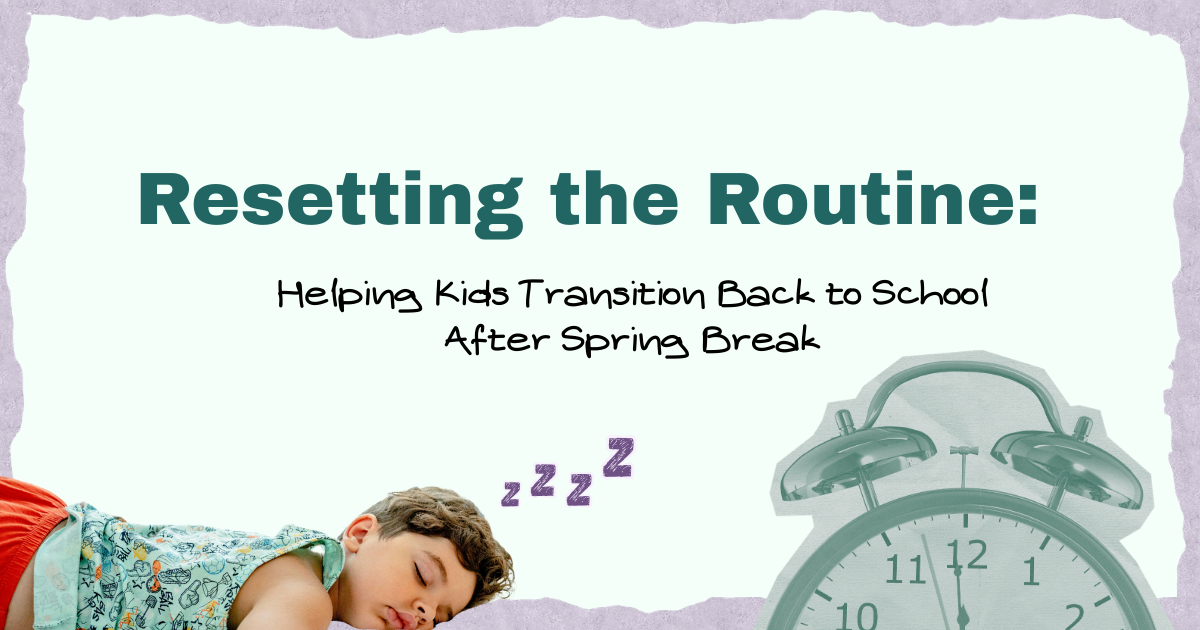
Resetting the Routine: Helping Kids Transition Back to School After Spring Break
Spring break often arrives at just the right time. After months of school schedules, homework, early mornings, and packed calendars, a break gives kids a chance to rest, recharge, and spend more time with family and friends. It can be a valuable pause in the middle of the school year.
But once spring break comes to an end, getting back into the rhythm of school life can feel like a challenge. For many families, the first few days back are an adjustment. Bedtimes may have shifted, daily routines may feel looser than usual, and kids may need time to mentally prepare for returning to their classrooms.
This transition is completely normal.
The good news is that with a little planning and encouragement, families can help kids ease back into their routines in ways that feel supportive rather than stressful. A consistent structure helps children feel safe, focused, and ready to engage with school again.
At We Can We Shall, we believe that stable routines and supportive environments play an important role in helping young people thrive. Families and communities working together to support youth can make everyday transitions—like returning to school after spring break—much smoother.
Why Routines Matter for Kids
Children benefit greatly from structure. While breaks from routine are healthy and important, predictable schedules provide a sense of stability that supports emotional and mental well-being.
When kids know what to expect from their day, they often feel more confident navigating school responsibilities, social interactions, and learning challenges. Routines help build healthy habits that support both academic success and personal development.
A consistent routine can help children:
Improve focus and concentration in the classroom
Reduce feelings of stress or anxiety
Build time management and responsibility skills
Develop healthy sleep and morning habits
Feel more prepared and confident throughout the day
During spring break, schedules often become more flexible. Bedtimes may get pushed later, mornings may start slower, and screen time or recreational activities may increase. While these changes are a natural part of taking a break, they can make the return to school feel abrupt if routines are not gradually reintroduced.
Helping children re-establish a structure allows them to step back into school life with more confidence and ease.
Start Resetting the Schedule Before Break Ends
One of the most helpful ways to prepare kids for the return to school is to start resetting schedules a day or two before the break ends. Small adjustments can help children gradually move back toward their school routine rather than feeling like everything changes overnight.
For example, families can begin by:
Moving bedtime earlier by 15–30 minutes each night
Waking up closer to the school schedule
Encouraging quieter evening activities instead of late-night screen time
Preparing backpacks and school supplies ahead of time
These small steps help kids mentally and physically transition back to their normal routines.
Sleep is especially important during this adjustment period. Children who get enough rest are more likely to feel energized, focused, and emotionally balanced when they return to school.
Talk About the Return to School
Another helpful way to support kids during this transition is simply by talking with them about it. Sometimes children feel nervous about returning to school after time away, especially if they have upcoming tests, social challenges, or changes in their classroom environment.
Having open conversations helps children feel heard and supported.
Parents and caregivers might ask questions like:
What are you most excited about when you go back to school?
Is there anything you're worried about this week?
What do you want to accomplish during the rest of the school year?
These conversations don’t need to be long or formal. Even small check-ins during dinner or while driving can give kids the opportunity to share how they’re feeling.
When children know they have supportive adults who are willing to listen, they are more likely to approach challenges with confidence.
Rebuild the Morning Routine
Mornings can often be the most difficult part of transitioning back to school. After a week of slower mornings during spring break, early alarms and busy schedules can feel overwhelming at first.
Reintroducing a structured morning routine can make a big difference.
Some families find it helpful to prepare as much as possible the night before. Simple habits like packing backpacks, laying out clothes, or preparing lunch can reduce stress in the morning.
A calm, predictable morning routine might include:
Getting dressed before breakfast
Eating a quick, healthy meal
Double-checking school supplies
Leaving enough time to travel to school without rushing
Even a small amount of structure can help kids feel more organized and prepared for the day ahead.
Encourage Healthy Habits Throughout the Week
Returning to school is also a good time to refocus on habits that support overall well-being. Healthy routines help children stay energized, engaged, and ready to learn.
Families can support kids by encouraging:
Regular sleep schedules
Balanced meals and snacks
Physical activity after school
Time for homework and relaxation
These habits help create a balanced routine where children have time for both responsibilities and rest.
It’s also helpful to remember that the first week back may not be perfect. Kids might feel tired or distracted as they adjust, and that’s okay. Transitions take time.
Patience and encouragement go a long way.
Celebrate Small Wins
When routines are reintroduced, celebrating progress can help motivate kids and build confidence. Small successes during the first week back at school deserve recognition.
This might include:
Completing homework on time
Staying focused in class
Following their morning routine
Trying their best during the school day
Positive reinforcement helps children feel proud of their efforts and encourages them to continue building healthy habits.
Rather than focusing on perfection, families can emphasize growth and effort.
Community Support Makes a Difference
Families play a central role in helping kids navigate transitions like returning to school after spring break. But families are not alone in this work.
Teachers, mentors, community organizations, and youth programs all contribute to the supportive environments that help children grow and succeed.
Across Canton and Stark County, Ohio, communities are strongest when families and local organizations work together to support young people. When youth have access to safe spaces, mentorship, and community resources, they gain the encouragement and stability needed to thrive.
At We Can We Shall, our work is rooted in dignity and community-powered care. We believe every young person deserves to feel supported, valued, and encouraged as they navigate the challenges of growing up.
By working alongside families and community partners, we strive to create environments where youth can develop confidence, resilience, and opportunity.
Moving Forward After Spring Break
The transition back to school after spring break may take a little time, but it also presents an opportunity for a fresh start. With routines reset and support systems in place, children can move into the final months of the school year feeling focused and prepared.
Simple steps like rebuilding daily routines, maintaining open communication, and offering encouragement can help make the process smoother for everyone involved.
Most importantly, when kids feel supported both at home and within their community, they are better equipped to face challenges and continue growing into their full potential.
Together, families and communities can help ensure that every young person has the stability, encouragement, and opportunity they need to succeed.
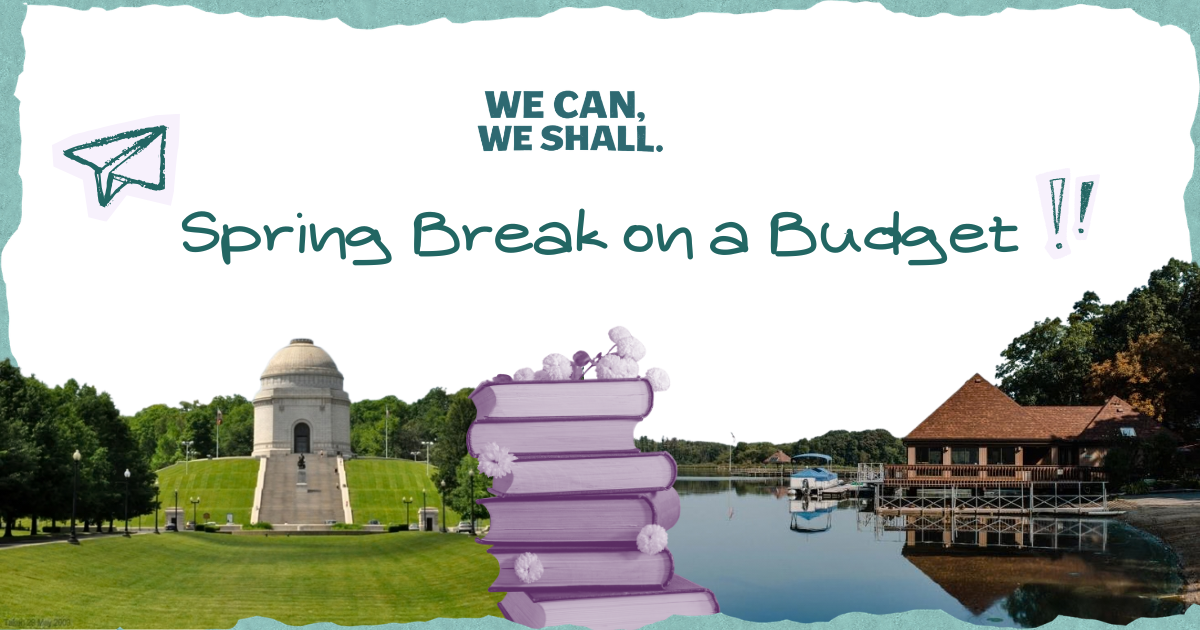
Spring Break on a Budget: Free Things to Do with Kids in Canton, Ohio
Spring break can feel like a gift and a challenge all at once.
For kids, it’s a break from routine, a chance to rest, play, and explore. For caregivers, especially those balancing work, tight budgets, or limited support it can bring added pressure: How do I keep my kids engaged without spending money we don’t have? How do I make this week feel special when resources are stretched thin?
At We Can, We Shall (WCWS), we want to say this clearly and gently: you are not failing if your spring break is simple. In fact, some of the most meaningful moments kids carry with them come from connection, creativity, and unstructured time, not costly activities.
This guide is here to support families and community partners alike with free, accessible ways to make spring break meaningful in Canton, Ohio, while honoring dignity, choice, and the realities many families face.
Free Things to Do with Kids in Canton, Ohio
Canton and the surrounding Stark County area offer more free, family-friendly resources than many people realize. These spaces are built for community, learning, and exploration and they belong to all of us.
Explore Local Parks & Outdoor Spaces
Spending time outdoors supports physical health, emotional regulation, and confidence, especially for kids who benefit from movement and sensory input.
Some free outdoor options include:
Sippo Lake Park
A favorite for families, Sippo Lake offers walking trails, open green space, and opportunities for kids to observe nature, birds, and seasonal changes. A simple walk can turn into a scavenger hunt or a quiet moment to decompress.McKinley Park
Located near the Pro Football Hall of Fame area, this park is ideal for open play, picnics, and letting kids move freely.Stark County Metro Parks
The broader Metro Parks system offers multiple free-access parks with trails, open fields, and educational signage—perfect for families who want variety without cost.
Outdoor play helps kids release pent-up energy, regulate emotions, and build confidence through exploration. It also gives caregivers a break from structured planning—sometimes the best plan is no plan at all.
Visit the Library (More Than Just Books)
Libraries are one of the most underappreciated free resources for families.
Stark County District Library
Local branches offer:Free children’s programming
Reading challenges
Quiet spaces for homework or independent reading
Craft stations and activity kits (availability varies by branch)
Even when no formal program is happening, simply letting kids browse books, sit in a calm environment, or read together builds literacy and emotional safety.
Pro tip:
Let kids choose their own books, even if they pick the same one over and over. Choice builds autonomy and confidence.
No-Cost, At-Home Spring Break Activity Ideas
Not every day needs to be filled with outings. Staying home can be just as meaningful—especially when kids are invited to co-create the experience.
Creative Play Without Supplies
You don’t need craft kits or fancy materials to spark creativity.
Paper challenges: Draw a map of your neighborhood, invent a new animal, or create a comic strip
Recycled art: Use cardboard boxes, paper towel rolls, and old magazines
Story building: Take turns adding a sentence to a made-up story
Creative play strengthens problem-solving skills and emotional expression—especially for kids who may not always have the words for how they feel.
Movement & Body-Based Games
Movement helps regulate the nervous system and reduce stress—for kids and adults.
Free ideas include:
Living room dance parties
Freeze dance or follow-the-leader
Indoor obstacle courses using pillows and chairs
Yoga or stretching together (kids love leading!)
Even 10–15 minutes of movement can shift the tone of the day.
Learning Through Daily Life
Learning doesn’t stop just because school does—and it doesn’t have to look like worksheets.
Cooking together builds math and sequencing skills
Sorting laundry supports categorization and responsibility
Talking through daily routines strengthens communication and emotional intelligence
Kids learn best when they feel included, not instructed.
The Power of Unstructured Time
In a world that often pressures families to stay busy and productive, unstructured time is a gift.
When kids aren’t overscheduled, they:
Learn to entertain themselves
Build creativity and independence
Practice emotional regulation
Strengthen confidence through self-directed play
It’s okay if kids feel bored sometimes. Boredom often leads to imagination.
What Kids Actually Remember
Here’s something we want families to hear clearly:
Kids don’t remember how much money was spent. They remember how they felt.
They remember:
Being listened to
Laughing together
Feeling safe and seen
Having time with adults who cared
Spring break doesn’t have to look perfect to be meaningful. Connection is the memory-maker.
A Gentle Reminder
If this spring break feels quieter, simpler, or less “Instagram-worthy” than others, that’s okay.
You’re doing enough.
Your presence matters.
Your care counts.
And if you need support, community exists, right here in Canton.
We Can, We Shall is honored to walk alongside families, caregivers, and partners as we continue building a community where youth feel supported, valued, and empowered, during spring break and beyond.
If you’re a local organization, educator, or partner interested in collaborating or sharing resources, we’d love to connect. Together, we make support visible, and accessible for all.
Showing Up Changes Everything: The Launch of We Can, We Shall
It All Begins Here
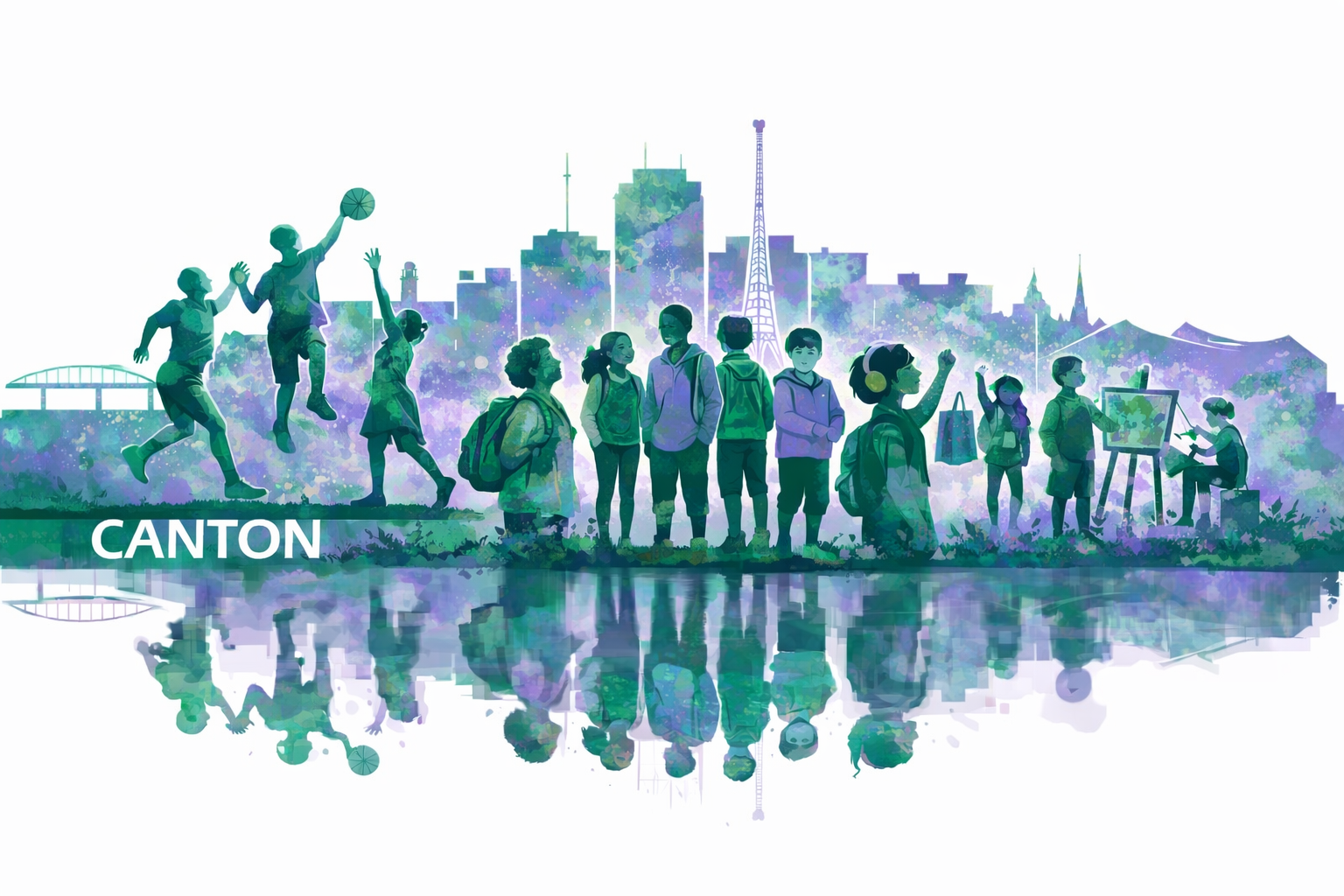
CANTON, OHIO March 1, 2026 - On March 1, a new nonprofit will officially launch in Canton with a bold and deeply human mission: restore dignity to young people ages 10 to 21.
The organization is called We Can, We Shall, and its founder, Savanah Muntean, speaks about youth not as a social problem to fix but as a generation to believe in.
“Dignity,” she says, “is about finding out who you are. These are precious ages where people are becoming who they are. These are the founding blocks. This is how we change the future.”
“The Kids Are Not a Priority.”
When asked what inspired her to start We Can, We Shall, Muntean does not hesitate.
“What inspired me was just my own personal experience with my kids and living in community,” she explains. “I see the interactions every day. And if it is not football or sports, there is nothing really for the kids who are just your average day kids.”
In many communities, extracurricular opportunities are tied to money. Travel teams. Equipment fees. Uniforms. Gas. Time.
“If their parents do not have enough money for sports, or they are just not into it, then what?” she asks. “How are we going to uplift them? How are we going to build a stronger society if we do not support them in different ways?”
Her voice sharpens slightly.
“The kids are not a priority.”
The Critical Window Why Age 10 Matters
Muntean believes identity formation becomes especially fragile around age ten.
“By third or fourth grade, kids are aware,” she says. “A kindergartener still wants to please mom and dad. But by ten, that is when they start noticing.”
Noticing clothes.
Noticing hygiene.
Noticing who fits in and who does not.
“Think about it,” she says. “In kindergarten, if a kid is messy, no one really cares. But by third grade, it becomes ‘Why does he not brush his hair? Why does she not have the right clothes?’ That is when it starts. That is when it influences you.”
And once shame enters the picture, dignity quietly exits.
Breaking the Forced Gratitude Stigma
One of the most striking phrases Muntean uses is this.
“The biggest stigma we want to break is the forced attitude of gratitude.”
She pauses before continuing.
“Some programs just give kids things and say, ‘You should be grateful.’ But if we are only giving the bare minimum, what have we really given them?”
She offers a practical example.
“Some kids need that $15 shampoo. Not the dollar store kind, the one that actually works for their hair type. It sounds small, but it is not small to them.”
We Can, We Shall is intentionally individualized.
“How good does it feel to express your individuality?” she asks. “That is dignity.”
The Shopping Trips That Changed Everything
Muntean recounts one of her earliest pilot experiences taking a group of girls to the mall.
“They were so happy,” she says. “They were able to get sized properly for bras and they fit. Some of them left the store wearing their new ones. That is how proud they were.”
The transformation was not about retail therapy. It was about self worth.
“They were budgeting. Looking at tax. Asking, ‘How much do I have left?’ They were managing money and choosing things that mattered to them.”
Boys experience this too.
“Maybe it is a sweatband. Maybe it is a Nike ski mask. Maybe it is specific underwear they want. It might sound silly to us. But it is not to them.”
She adds candidly.
“I am not buying you a $35 ski mask when I have bills. But to them, that might be the one thing that makes them feel like they fit in.”
More Than Handouts Showing Up
At the heart of We Can, We Shall is mentorship.
“The energy is real when someone shows up for you,” she says. “My son’s mentor comes to his basketball games. That matters. It makes him feel worthy.”
Worth showing up for.
Worth investing in.
Worth believing in.
The organization plans to recruit aligned volunteers and mentors who understand dignity.
“As long as they align with our mission, vibe, and culture, that is what matters most.”
First Friday Changing the Narrative in Canton
In Canton, monthly First Friday events draw large crowds including hundreds of teens.
“They have all this pent up energy,” Muntean explains. “Nothing to do all summer. Then they come to First Friday, and if something goes wrong, people say, ‘The kids ruin everything.’”
Instead of curfews and exclusion, she offers another solution.
“Let us give them something to do.”
Capture the flag.
Basketball tournaments.
Dance battles.
Picnic and paint sessions for quieter kids.
“Bring back those things,” she says. “Imagine a bunch of teenagers outside playing capture the flag.”
When young people are engaged, they are not a nuisance. They are a force.
A Back to School Vision 100 Kids, $100 Each
For fall 2026, Muntean has set an ambitious goal.
Provide 50 to 100 children with $100 gift cards guided by mentors to purchase items that matter to them.
“They will have their name on it,” she explains. “We will have volunteers go with them. Not to tell them what to buy, but to guide them.”
No PlayStation games.
No candy sprees.
“It needs to be something for you,” she says. “Something that builds you.”
Beyond Canton A Statewide and National Vision
While the March 1 launch begins in Canton, expansion is already in motion.
“I plan on doing all of Ohio,” Muntean says. “Cleveland. Columbus. Dayton. Alliance.”
Beyond that?
“We have partnerships in Philly, California, Florida. This program is not limited to Ohio.”
Wherever communities struggle with overworked parents, limited resources, and youth who feel unseen, the model applies.
“There are kids everywhere that need help.”
Something to Look Forward To
Muntean paints a simple but powerful picture.
“Imagine you had a terrible day at school. You failed a test. You go home and you are in trouble. Everything feels bad. But today is our We Can, We Shall group.”
She pauses.
“You have something to look forward to.”
In Ohio, that might mean pumpkin patches, sled riding, camping trips, haunted houses, or even a celebration at Cedar Point.
But beyond events, it means belonging.
Giving Back Not Just Receiving
Muntean insists this program is not about kids taking.
“We are going to do things for the community too,” she says. “Plant flowers. Visit nursing homes. Ask them what they want to give back.”
Dignity is not only receiving support. It is contributing.
“Maybe their grandma is in a nursing home and would love kids to visit. We can do that.”
March 1, 2026 A New Chapter for Canton
We Can, We Shall launches March 1 with open lines of communication for families, youth, volunteers, and donors.
The mission is clear.
Restore individuality.
Replace shame with support.
Show up consistently.
Break the cycle.
“We are here to better relationships,” Muntean says. “Little things matter. The flowers we plant. The promises we keep.”
And perhaps her most powerful line of all.
“We can. We shall.”
For Canton’s youth, that is not just a name.
It is a promise.